The Ultimate Uganda Travel Guide (2026)
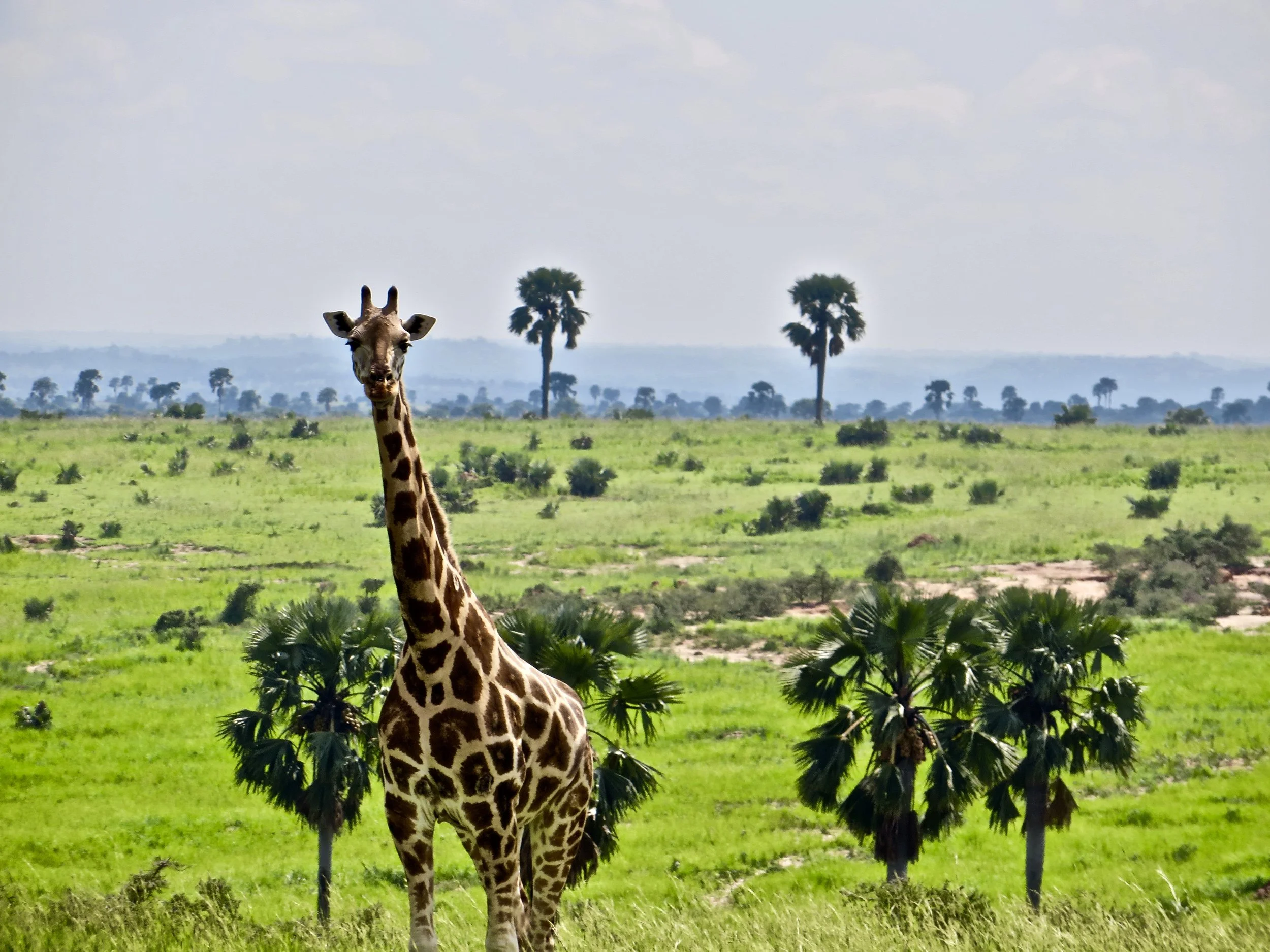
Picture taken on our Ugandan Safari
Everything You Need to Know Before Visiting the Pearl of Africa
Updated for 2026 | First-hand travel tips from our experience
There's something about Uganda that stays with you long after you've left.
Maybe it's waking up to the sound of birds echoing through the rainforest before setting off to track endangered mountain gorillas. Maybe it's watching elephants wander across the savannah as the sun sets over Queen Elizabeth National Park. Or perhaps it's the warmth of the people, who greet you with genuine smiles and conversations that make you feel less like a tourist and more like a welcomed guest.
Whatever it is, Uganda completely exceeded our expectations.
Before our trip, we knew Uganda was famous for gorilla trekking and incredible wildlife. What we didn't expect was just how diverse the country would be. In the span of a few months, we found ourselves hiking through ancient forests, cruising alongside hundreds of hippos, navigating the organized chaos of Kampala, eating some surprisingly delicious street food, and driving through landscapes that changed almost every hour.
If you're planning your first trip to Uganda, you've probably got a lot of questions:
Is Uganda safe?
What should I pack?
How do you get around?
Can you drink the water?
What food should I try?
Is gorilla trekking worth it?
We wondered all of those things too. After living in the country for four months, we've put together everything we learned before and during our trip into one complete guide.
Whether you're visiting for a once-in-a-lifetime safari or simply looking for one of Africa's most underrated destinations, here's everything you need to know before traveling to Uganda.
Uganda at a Glance
Best Time to Visit: June–August & December–February
Currency: Ugandan Shilling (UGX)
Language: English & Swahili (with many local languages spoken)
Visa Required: Yes, for most travellers
Famous For: Gorilla trekking, safaris, the Nile River, incredible wildlife, and welcoming people
Recommended Trip Length: 10–14 days
Must-Try Food: Rolex, matoke, luwombo, nyama choma, and fresh tropical fruit
Table of Contents
Why Visit Uganda?
Is Uganda Safe?
Best Time to Visit Uganda
Visa Requirements
Vaccinations & Health
What to Pack
What to Wear
Getting Around Uganda
Boda Bodas & Taxis
Money, ATMs & Tipping
SIM Cards & Internet
Foods You Have to Try
Gorilla Trekking Tips
Safari Tips
Local Etiquette
Frequently Asked Questions
Why Visit Uganda?
Uganda isn't the first country people think of when planning an African adventure and honestly, that's part of its magic if you love adventure travel like Jesse and I.
While neighboring countries like Kenya and Tanzania attract millions of visitors each year, Uganda remains refreshingly uncrowded by tourists. It feels authentic, adventurous, and surprisingly accessible once you're there.
One of the things we loved most was just how much variety the country offers. Within a single trip, you can experience:
🦍 Trek through misty mountain forests to see endangered mountain gorillas.
🐘 Go on safari and spot elephants, lions, buffalo, hippos, leopards, and countless species of birds.
🚤 Cruise the Kazinga Channel, one of Africa's best places to see hippos and crocodiles up close. Even cruise the words longest river, the Nile River.
🌿 Hike to hidden waterfalls and lush rainforests.
☕ Visit local coffee farms and tea plantations.
🏙️ Experience the vibrant energy of Kampala and the quiet of the remote villages.
🌅 Watch unforgettable sunsets over endless savannah.
It never feels repetitive because every region has its own unique landscape, culture, and wildlife.
Our Experience
If we're being honest, the wildlife was only half of what made Uganda so memorable.
The people are what truly stood out.
Everywhere we went, people were welcoming, curious, and incredibly kind. Conversations happened naturally whether it was chatting with our guides, ordering lunch from a roadside café, or asking for directions in Kampala (everyone was so helpful with directions!)
Uganda has a warmth that's difficult to describe until you've experienced it yourself.
It's one of those countries that reminds you why you travel in the first place.
Is Uganda Safe?
One of the most common questions we received before our trip was:
"Is Uganda safe?"
The short answer is yes.
Like most destinations, Uganda requires common sense and awareness, but we personally felt very comfortable throughout our trip.
Tourist areas such as:
Bwindi Impenetrable National Park
Queen Elizabeth National Park
Kibale National Park
Lake Bunyonyi
Jinja
Kampala
are well-established and frequently visited by international travelers.
If you're exploring outside the main tourist areas or big cities, we'd recommend taking the some extra precautions as you might be the only tourists around and that can draw extra attention to you. Our best advice:
✔ Keep valuables out of sight, this includes your cell phone even while in taxis. People are known to grab them through the windows of the car if they see it.
✔ Avoid walking alone late at night and make sure your bag is securely wrapped around your body or hidden under your top.
✔ Use reputable transportation. Never get in an empty taxi or on a boda boda that is heckling you.
✔ Keep copies of important documents and make sure to not travel with the real copies on your body during the day.
💡 Quick Tip
Uganda's biggest challenge isn't safety, it's travel time.
Roads can be slow, and what looks like a three-hour drive on Google Maps can easily become five or six hours depending on weather, road conditions, or livestock crossing the road. We also experienced a lot of our taxi trips being diverted for special drop offs.
Don't overpack your itinerary. Uganda rewards slower travel and it’s best to go with the flow.
Best Time to Visit Uganda
The good news? Uganda is a fantastic destination all year round.
Because it's located near the equator, temperatures remain relatively consistent throughout the year. Instead of worrying about hot versus cold seasons, you'll mostly be planning around rainfall.
Dry Seasons (Best for Safari & Gorilla Trekking)
December – February
June – August
These months are considered the best time to visit Uganda because trails are generally drier, wildlife is easier to spot around water sources, and road conditions improve significantly.
If gorilla trekking is at the top of your bucket list, this is when most travelers choose to visit.
Rainy Seasons
March – May
September – November
Don't let the rainy season scare you away.
Rain rarely lasts all day, and you'll often be rewarded with dramatic skies, fewer tourists, greener landscapes, and beautiful soft light for photography.
As photographers, we actually love traveling during shoulder seasons because the scenery feels incredibly lush and vibrant.
Mistakes to Avoid
❌ Trying to See Everything
Uganda is much bigger than it appears on a map.
It's tempting to squeeze in every national park and activity, but you'll spend more time driving than enjoying the destination.
Instead, choose fewer regions and spend more time experiencing each one.
Quality always beats quantity.
❌ Underestimating Gorilla Trekking
Many people assume gorilla trekking is just a short walk.
It isn't. Some treks last less than an hour.
Others can take six hours or more through steep, muddy rainforest.
Come prepared.
Good hiking boots, gloves, and a reasonable level of fitness will make the experience far more enjoyable.
❌ Packing for Safari Only
Uganda's landscapes vary dramatically.
One day you could be relaxing in warm sunshine on safari.
The next you're hiking through cool, misty mountains at over 2,500 metres above sea level.
Pack layers—you'll thank yourself later.
Before You Go: Visas, Health & Entry Requirements
One of the things we appreciated most about traveling to Uganda was how straightforward the planning process was. A little preparation before you arrive goes a long way and makes your trip much smoother.
Do You Need a Visa for Uganda?
Yes, most international travelers will need a visa to enter Uganda.
The easiest option is to apply online before your trip through Uganda's official eVisa system. Approval is typically straightforward, but we recommend applying at least a couple of weeks before departure in case additional documentation is requested.
If you're planning to visit neighboring countries like Kenya or Rwanda during the same trip, look into the East Africa Tourist Visa, which allows entry into all three countries on one visa and can save both time and money.
💡 Quick Tip: Print a copy of your visa approval email and keep a digital copy on your phone. Immigration officers may ask to see it upon arrival.
Vaccinations & Health
Before traveling, we visited a travel clinic to make sure we were up to date on recommended vaccinations. In total we were recommended to get about 10 different vaccinations so keep that in mind and maybe look to spread them out over a few days.
Yellow Fever
This is the most important one. You will not be allowed to enter the country without this.
Uganda requires proof of a Yellow Fever vaccination, so make sure you bring your Yellow Fever certificate with you. You may be asked to present it when entering the country.
Malaria
Malaria is present throughout much of Uganda, and most travelers choose to take anti-malarial medication. We highly recommend you take this medication as Malaria is no joke. We opted to take a daily dose during our four month stay and had no issues. Someone we met along the way had opted for the bi-weekly pill and they suffered from a lot of night terrors and hallucinations as a result. This is a common side affect and you should make sure to do a lot of research and talk with your doctor on which option might be best for you.
Water
Stick to bottled or filtered water during your stay. You do not want to be drinking well water and it’s full of harmful bacteria. One thing to always be aware of is making sure the bottled water cap is sealed properly and has not ever been opened before. Uganda is known to sell water from used bottles which can cause a lot of diseases to spread.
Most hotels, lodges, and safari camps provide safe drinking water, and bottled water is inexpensive and widely available.
Travel Insurance
This isn't somewhere we'd recommend traveling without comprehensive travel insurance.
Whether you're gorilla trekking in Bwindi, heading out on safari, or simply traveling between destinations, having coverage for medical emergencies, trip interruptions, and lost luggage provides valuable peace of mind.
If you do ever end up in a bad situation, make sure to use a private hospital and private ambulance as they are the only reliable options. If you don’t, you could be waiting days for help.
The Ultimate Uganda Packing List
Packing for Uganda can be a little tricky because you'll experience completely different climates throughout your trip.
One day you might be enjoying a warm afternoon game drive, while the next you're hiking through cool, misty rainforest in the mountains.
Layers are your best friend.
Clothing Essentials
For women specifically, it’s very important you dress respectfully by showing your shoulders or legs. This will help avoid unwanted attention and rude behaviour from locals.
✔ Lightweight breathable shirts
✔ Moisture-wicking hiking pants
✔ Neutral-colored clothing for safari (greens, khakis, browns)
✔ Warm fleece or sweater for early morning game drives
✔ Waterproof rain jacket
✔ Comfortable shorts for relaxing at your lodge
✔ Hat
✔ Sunglasses
✔ Swimsuit (it’s important to bring a full coverage suit)
Footwear
You'll likely wear two pairs of shoes throughout your trip:
🥾 Hiking boots
Perfect for gorilla trekking and nature walks.
👟 Comfortable sneakers or sandals
Ideal for evenings at your lodge and exploring towns.
Photography Gear
As photographers, Uganda was an absolute dream.
If photography is one of your priorities, we'd recommend bringing:
📷 Wide-angle lens for landscapes
📷 Telephoto lens (at least 200–400mm) for wildlife
📷 Plenty of memory cards
📷 Extra batteries
📷 Camera cleaning kit
The red dust on safari gets everywhere.
Other Essentials
✔ Bug spray
✔ Sunscreen
✔ Reusable water bottle
✔ Portable charger
✔ Headlamp
✔ Travel adapter (Uganda uses Type G plugs)
✔ Small backpack for day trips
✔ Quick-dry towel
Our Packing Mistake
If we could do one thing differently, we'd pack more lightweight long-sleeve shirts.
Not because it was cold but because they protected us from both mosquitoes and the strong equatorial sun.
What to Wear in Uganda
One of the questions we searched before our trip was:
"What should I wear in Uganda?"
The answer depends on where you're going.
On Safari
Think practical rather than fashionable.
Choose:
Neutral colors
Breathable fabrics
Long sleeves for early mornings
Comfortable walking shoes
Avoid bright white clothing it gets dusty quickly and camouflage, which is generally discouraged for civilians in many African countries.
Gorilla Trekking
This deserves its own section because what you wear can make a huge difference.
We recommend:
✔ Hiking boots
✔ Thick hiking socks
✔ Long hiking pants
✔ Long-sleeve shirt
✔ Gardening gloves (seriously!)
✔ Waterproof jacket
✔ Small backpack
The gloves might sound strange, but you'll spend a lot of time grabbing onto branches, vines, and vegetation while hiking through the rainforest.
Trust us they're worth packing.
Around Kampala & Towns
Ugandans generally dress smartly, especially in cities.
You don't need to dress formally, but wearing neat, modest clothing is appreciated and helps you blend in.
Women may feel more comfortable wearing longer shorts, skirts, or lightweight pants when exploring local neighborhoods.
At Safari Lodges
Most lodges are very relaxed.
After a game drive you'll usually find guests changing into comfortable casual clothes before dinner.
Nothing fancy is required.
Staying Connected: SIM Cards & Internet
One thing that surprised us was how easy it was to stay connected.
If your phone is unlocked, buying a local SIM card is inexpensive and offers excellent value. Keep in mind you will need to buy "social media time” as the country doesn’t offer this free with internet connection. Usually you can find a booth on the road that offers up to a week at a time.
Popular providers include:
MTN Uganda - we used this one and had no issues.
Airtel Uganda
You'll find kiosks at the airport and throughout the roads in Kampala and more popular villages.
If you don't want to swap SIM cards, an international eSIM is another great option and can be activated before you arrive.
Wi-Fi is available at most hotels and safari lodges, although speeds can vary—especially in remote national parks.
Money, ATMs & Tipping
The local currency is the Ugandan Shilling (UGX).
While some hotels and safari operators accept credit cards, cash is still widely used, especially for:
Local restaurants
Markets
Street food
Small shops
Tips
ATMs are easy to find in larger cities like Kampala and Entebbe, but become less common in rural areas.
We'd recommend withdrawing enough cash before heading out on safari.
Tipping
Tipping isn't mandatory, but it's appreciated.
As a general guide:
Safari guides: tip at the end of your stay if you've had a great experience.
Lodge staff: many properties have communal tip boxes.
Restaurant staff: around 5–10% if service isn't already included.
💡 Quick Tip
Carry a mix of smaller denominations.
They're much easier to use when buying snacks, paying for a boda boda, or picking up a famous roadside Rolex )Uganda's delicious chapati-and-egg street food that we'll cover next!)
Getting Around Uganda
One of the questions we had before arriving was how difficult it would be to get around Uganda.
The answer? It depends on where you are.
If you're spending time in Kampala, you'll have several transportation options. If you're heading out on safari, your tour operator will almost always provide transportation, as distances between national parks can be long and road conditions vary.
Here's what we learned.
🛵 Boda Bodas: Uganda's Fastest Way Around
If you've never been to East Africa before, you're about to become very familiar with boda bodas.
A boda boda is simply a motorcycle taxi—and they're everywhere.
They're inexpensive, incredibly convenient, and often the quickest way to navigate busy streets where traffic can come to a standstill.
You'll see locals using them for everything from commuting to carrying groceries, furniture, and even livestock (yes, really we even saw someone transporting a cow on one!).
For short trips around Kampala and larger villages, they're often the fastest option.
Is it safe?
Like anywhere, it depends on the driver.
If possible, avoid hailing a random boda boda off the street or one that’s strongly encouraging you ride with them.
Instead, use SafeBoda, Uganda's version of Uber for motorcycles.
Drivers are registered, helmets are provided for passengers, and pricing is agreed upon before your ride begins.
It made us feel much more comfortable, especially when navigating Kampala for the first time.
💡 Quick Tip: Download the SafeBoda app before you arrive. It works similarly to Uber and makes getting around much easier.
🚖 Taxis & Ride-Hailing Apps
If motorcycles aren't your thing, don't worry.
Traditional taxis are available throughout almost all of Uganda, but fares are often negotiated before your trip.
If you're unfamiliar with local pricing, we recommend using ride-hailing apps whenever possible. Or ask the locals how much the typical price should be to each destination. We noticed everyone was extremely helpful when it came to this. Note, there are typically no road signs so you have to know exactly where you’re getting off. This can be very hard if you’ve never been there before so we suggest tracking your route on google maps and asking the other passengers for help knowing when to get off.
For airport transfers and longer journeys, most hotels can also arrange trusted private drivers.
🚙 Traveling Between Destinations
If you're planning to visit places like:
Bwindi Impenetrable National Park
Queen Elizabeth National Park
Kibale Forest
Murchison Falls
Lake Bunyonyi
You'll almost certainly be traveling by 4x4.
Road conditions vary dramatically throughout the country.
While some highways are smooth and paved, others become rough gravel roads with potholes, especially during the rainy season.
Don't be surprised if what looks like a three-hour drive turns into five or six hours.
The scenery along the way, however, makes every kilometre worthwhile.
What to Eat in Uganda
Ugandan food deserves far more recognition than it gets.
While many travelers arrive expecting safari food and lodge buffets, you'll quickly discover a country full of hearty comfort food, tropical fruit, and surprisingly addictive street food.
Here are a few dishes you shouldn't leave without trying.
Rolex
No...
Not the watch.
A Rolex is Uganda's most famous street food, and it's one of the first things every visitor should try.
A freshly cooked omelette is wrapped inside a warm chapati along with vegetables like tomatoes, onions, cabbage, and peppers.
Simple.
Cheap.
Absolutely delicious.
You'll find Rolex stands almost everywhere—from busy intersections to small roadside markets.
We honestly lost count of how many we ate.
Matoke
Matoke is one of Uganda's staple foods.
Made from green bananas that are steamed until soft, it has a mild flavour and is often served alongside beef, chicken, or peanut sauce.
It quickly became one of our favorite comfort foods during the trip.
Nyama Choma
If you're a meat lover, don't miss Nyama Choma.
Typically grilled beef or goat, it's served with fresh vegetables, fries, or Ugali and is especially popular in local restaurants.
It's simple, smoky, and incredibly satisfying after a long day exploring.
Luwombo
One of Uganda's most traditional dishes.
Luwombo consists of meat, chicken, or groundnut stew slowly cooked inside banana leaves, allowing the flavors to develop over several hours.
If you have the opportunity to try it at a local restaurant or during a cultural experience, don't pass it up.
Groundnut Sauce
One thing that surprised us?
Just how often peanut sauce appears on the menu.
Served with vegetables, chicken, rice, or matoke, it's rich, creamy, and incredibly comforting.
Ugandan Coffee
Coffee lovers, you are in for a treat.
Uganda is one of Africa's largest coffee producers, and tasting locally grown coffee is a must.
Whether you're visiting a coffee farm or simply ordering a cup at a local café, you'll quickly notice how fresh and flavorful it is.
If you have room in your luggage, bring some home.
You'll thank yourself later.
Fresh Fruit
Some of the best fruit we've ever eaten was in Uganda. You can find these at the local markets. Given we were there for four months, we began close with the sellers and they were always so happy to help us pick out the best fruits.
Because so much is grown locally, everything tastes incredibly fresh.
Don't miss:
🥭 Mangoes
🍍 Pineapple
🍉 Watermelon
🍌 Bananas
🥑 Avocados - they are massive here. Almost the size of your head.
They're inexpensive, widely available, and perfect for long travel days.
Don't Be Afraid to Eat Local
Some of our favorite meals weren't at luxury lodges—they were at small roadside restaurants we'd probably never have noticed otherwise.
As long as the food is freshly prepared and the restaurant looks busy with locals, don't be afraid to step outside your comfort zone.
Those meals often become the ones you remember most.
Cultural Etiquette & Local Customs
One of the things we appreciated most about Uganda was how welcoming everyone was.
Ugandans are incredibly friendly, and showing a little respect for local customs goes a long way.
A few simple tips:
🤝 Greet people before asking questions. A friendly "Hello" or "How are you?" is appreciated.
😊 Smile often. It opens doors everywhere.
📸 Always ask before photographing someone.
👕 Dress modestly when visiting villages, churches, or local communities.
💵 Carry small bills when shopping at markets.
A Small Gesture That Meant a Lot
One thing that stuck with us was how often people genuinely wanted to chat.
Instead of simply asking where we were from, conversations often turned into stories about family, life, and recommendations for places to visit.
Taking a few extra minutes to engage with people rather than rushing to your next destination made our experience so much richer.
Common Mistakes Tourists Make
❌ Only eating at safari lodges.
❌ Being afraid to try street food.
❌ Skipping Kampala altogether.
❌ Underestimating driving times.
❌ Packing too many heavy clothes.
Final Thoughts: Why Uganda Should Be on Your Bucket List
Some places impress you. Others change the way you see the world.
For us, Uganda was the latter.
We arrived expecting incredible wildlife and unforgettable gorilla trekking and while those experiences certainly lived up to the hype, it was everything in between that made us fall in love with the country. The genuine kindness of the people, the endless rolling green hills, roadside Rolex stands, evenings spent watching elephants from our lodge, and conversations with locals all became just as memorable as the bucket-list moments.
Uganda isn't a destination where you'll spend every day ticking attractions off a list. It's a place that encourages you to slow down, embrace the unexpected, and appreciate the journey as much as the destination.
Whether you're planning your first African safari, dreaming of coming face-to-face with mountain gorillas, or simply looking for a destination that's authentic, adventurous, and still wonderfully uncrowded, Uganda offers an experience unlike anywhere else we've visited.
It's a country that quietly exceeds every expectation and one we'll be talking about for years to come.
If you're considering the trip, our advice is simple: go.
You'll come home with incredible photos, unforgettable memories, and a whole new appreciation for why Uganda is known as The Pearl of Africa.
Frequently Asked Questions About Traveling to Uganda
Is Uganda safe for tourists?
Yes. Uganda is generally considered a safe destination for tourists, especially when visiting popular areas such as Bwindi Impenetrable National Park, Queen Elizabeth National Park, Kibale Forest, Jinja, and Lake Bunyonyi. As with any destination, exercise common sense by keeping valuables secure, using reputable transportation, and following the advice of local guides.
What is the best time to visit Uganda?
The best time to visit Uganda is during the dry seasons:
December to February
June to August
These months offer the best conditions for gorilla trekking, wildlife viewing, and road travel. However, the rainy seasons bring lush green landscapes, fewer crowds, and excellent photography opportunities.
Do I need a visa to travel to Uganda?
Most international travelers require a visa before entering Uganda. The easiest option is to apply online for an eVisa before your trip. If you're also planning to visit Kenya or Rwanda, the East Africa Tourist Visa may be a great option.
Do I need a Yellow Fever vaccine?
Yes. Uganda requires proof of a valid Yellow Fever vaccination for entry. Be sure to travel with your vaccination certificate, as it may be requested upon arrival.
Is gorilla trekking worth the cost?
Without question.
Gorilla trekking is one of the most unforgettable wildlife experiences we've ever had. Spending an hour observing mountain gorillas in their natural habitat is something that's difficult to put into words. While permits are expensive, we genuinely believe it's a once-in-a-lifetime experience that's worth every dollar.
Can you use credit cards in Uganda?
Credit cards are accepted at many hotels, lodges, and larger restaurants, but cash is still essential for markets, local restaurants, roadside food stalls, and smaller businesses. We recommend carrying Ugandan Shillings for day-to-day purchases.
What is a Rolex?
A Rolex is Uganda's famous street food—not the luxury watch!
It's made by wrapping a freshly cooked omelette and vegetables inside a warm chapati. Affordable, filling, and absolutely delicious, it's one of the country's must-try foods.
What should I wear in Uganda?
Pack lightweight, breathable clothing along with layers for cooler mornings and evenings. Neutral colours work best on safari, while sturdy hiking boots, long sleeves, and long pants are recommended for gorilla trekking. A waterproof rain jacket is also a smart addition, regardless of the season.
Can I use Uber in Uganda?
Uber operates in parts of Kampala, but many travelers also use SafeBoda, a popular motorcycle ride-hailing app that's a convenient way to navigate city traffic. For travel between national parks, most visitors arrange transportation through their tour operator or lodge.
How many days should I spend in Uganda?
We recommend 10–14 days to experience Uganda's highlights without feeling rushed. This allows time for gorilla trekking, a safari in Queen Elizabeth National Park, chimpanzee trekking in Kibale Forest, and a visit to either Lake Bunyonyi or Jinja.
If you have more time, you'll be rewarded with a slower pace and the chance to explore some of Uganda's lesser-known regions.
Is Uganda expensive?
Uganda can be surprisingly affordable, depending on your travel style. Local food, transportation, and accommodations offer excellent value, while experiences like gorilla trekking and luxury safaris are the biggest expenses. Overall, Uganda is often less expensive than many other African safari destinations.
What is the currency in Uganda?
The official currency is the Ugandan Shilling (UGX). ATMs are readily available in larger cities such as Kampala and Entebbe, but it's wise to withdraw cash before heading to more remote areas.
Can I drink the tap water in Uganda?
We recommend drinking bottled or filtered water throughout your trip. Most hotels, safari lodges, and restaurants provide safe drinking water, and bottled water is inexpensive and widely available.
Planning Your Own Uganda Adventure?
We hope this guide has answered your biggest questions and inspired you to experience Uganda for yourself.
If you found it helpful, be sure to explore our other Uganda guides, where we share:
Our complete gorilla trekking experience in Bwindi Impenetrable National Park
The best safari lodges in Uganda
Our favourite photography locations across the country
A detailed Uganda itinerary to help you plan your own trip
And if you have any questions we didn't cover, feel free to leave a comment below—we're always happy to help fellow travellers discover one of our favourite countries in the world.
