Iceland Campervan Tips: Everything You Need to Know for Winter Travel
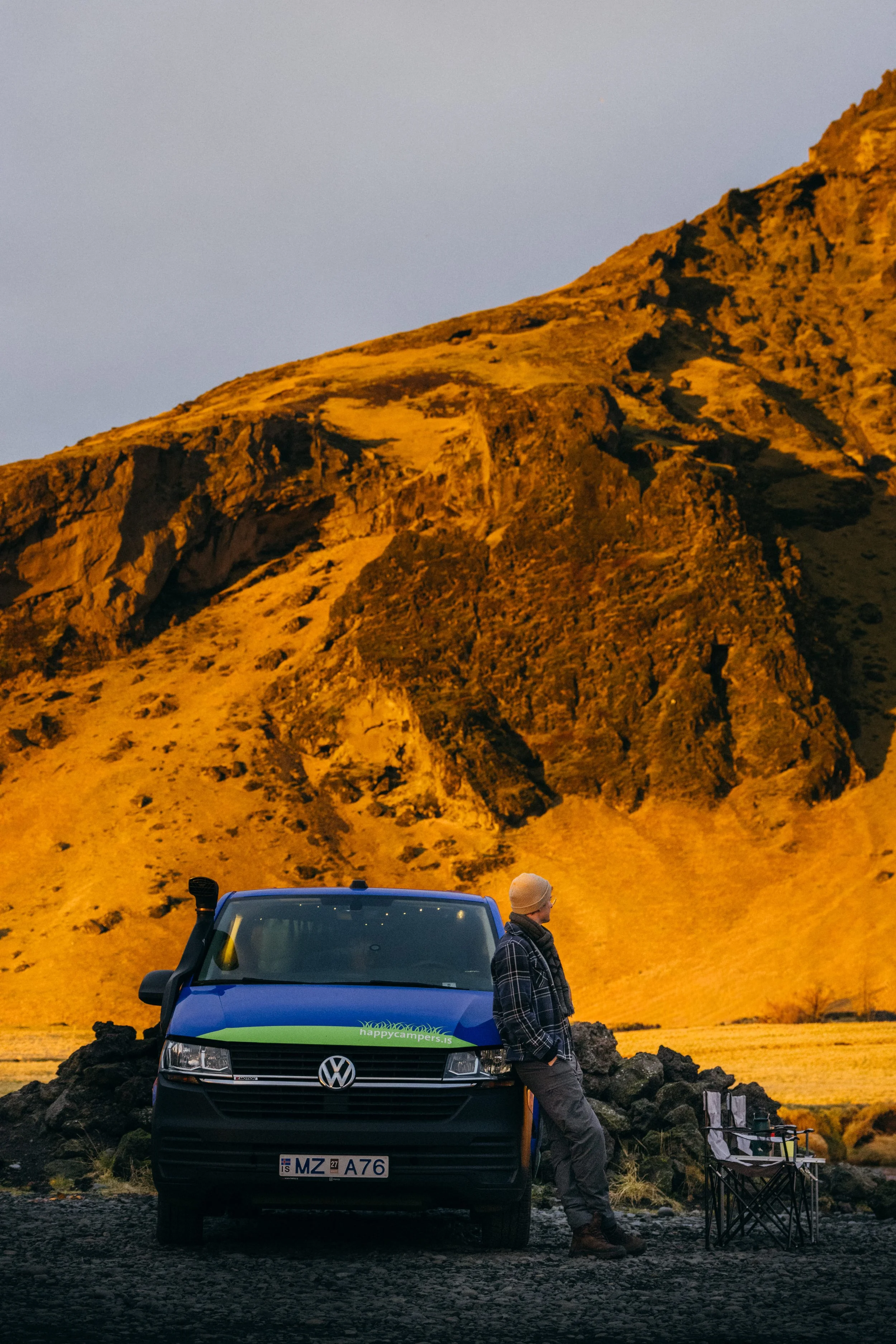
Hanging out at Skogar Camground
Waking up to snow-covered mountains, glaciers outside your window, and having the freedom to explore Iceland at your own pace sounds pretty magical… and it truly is. Campervanning Iceland in winter was one of the most unforgettable experiences Jesse and I have ever had.
From choosing the right campervan, to staying warm, navigating winter roads, finding campsites, and avoiding costly mistakes, we learned a lot along the way. So if you’re considering renting a campervan in Iceland especially during the winter months this guide covers everything we wish we knew before our trip.
If you’re currently planning your Iceland adventure, you may also find these helpful:
Everything You Need to Pack for Iceland in Winter – a full breakdown of clothing, gear, and essentials
Perfect 9-Day Southern Iceland Winter Itinerary – how we structured our route and stops
Top 10 Things to Do in Iceland in Winter – glacier hikes, lagoons, and bucket-list experiences
Campervan Tips (Quick Overview):
Is campervanning Iceland in winter worth it?
Choosing the right campervan
Campervan insurance & road conditions
Winter driving tips
Everything You Need To Know About Iceland Campsites
Campervan Cooking & food tips
What to pack for campervan life
Mistakes to avoid
Is Campervanning Iceland in Winter Worth It?
Short answer: yes absolutely! If you’re flexible and adventure-minded like us, you’ll love it.
Winter campervan travel gives you total freedom. You’re not locked into hotel check-in times, you can chase good weather, and you get to sleep in some truly incredible places. Waking up next to waterfalls, glaciers, and black sand beaches never gets old.
That said, weather can change quickly and in winter the daylight hours are limited so you need be able to go with the flow of things. If you’re okay with embracing that, campervanning is an unforgettable way to experience Iceland.
Choosing the Right Campervan
We strongly recommend:
A 4x4 campervan
Winter tires
Built-in heater
Standing up space
Even if you plan to stick mostly to main roads, winter storms and icy conditions can roll in fast in Iceland. A 4x4 is a definite must for staying safe on the roads.
A heater is absolutely non-negotiable. Nights regularly drop well below freezing, and without a heater, sleeping would be miserable. Besides there is nothing better then climbing into a cozy warm van after a long day of hiking in the cold. Our van also came with a wool interior so it helped trap the heat. We still asked for extra blankets but didn’t really need them.
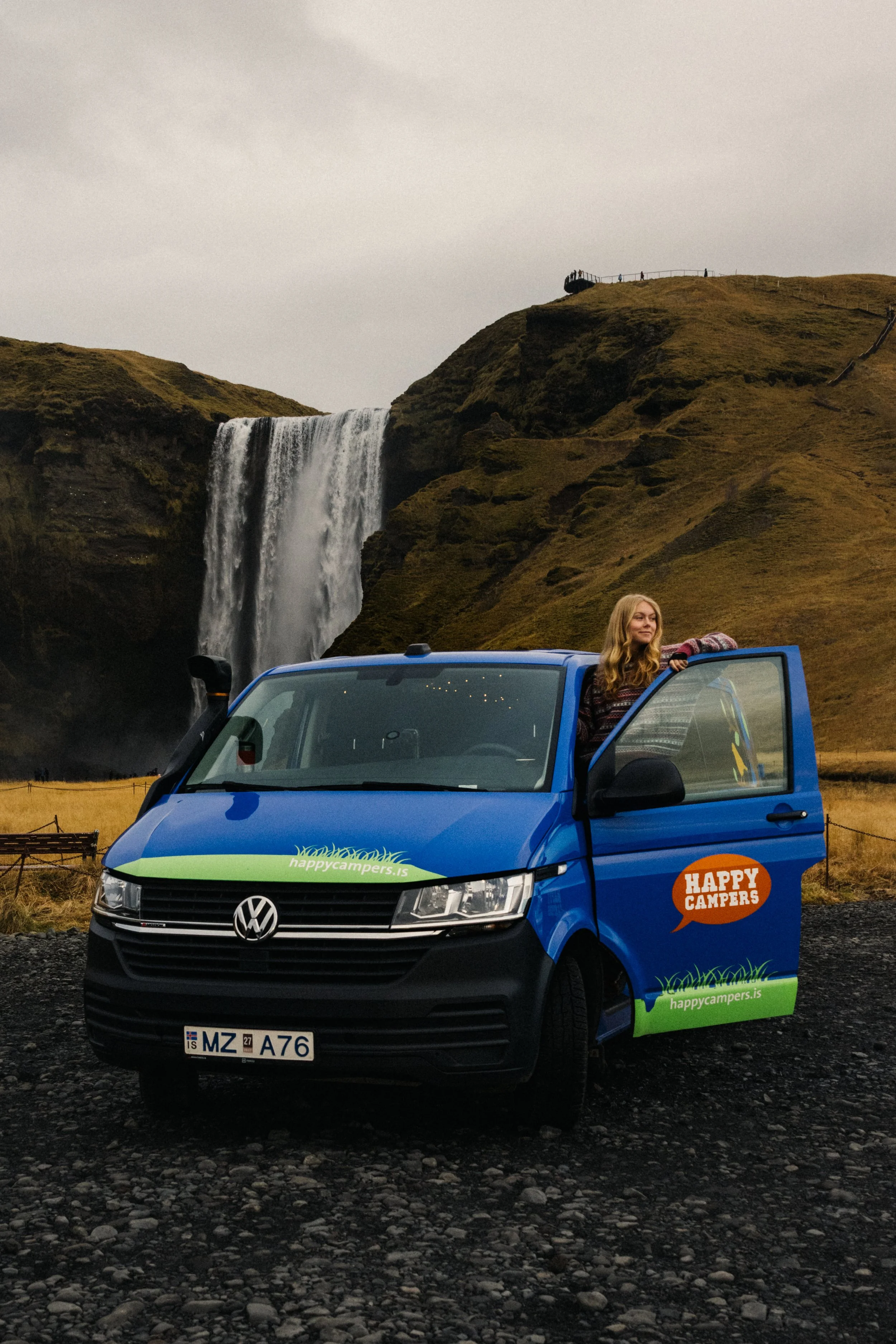
Skogafoss Waterfall in the background!
Something we’ve learned along the way is that having the ability to stand up really does make a big enough difference to splurge on a bigger van. Our backs ached every time we had to cook a meal or get changed because you’re forced to be hunched over. Not fun!
Insurance & Road Conditions
Get the full insurance coverage, it’s expensive but worth it. Jesse and I skipped out on this as we have travel insurance through our credit cards but we were stressed the entire time. We heard that a lot of people drop off the van after their trip without incident and then a surprise bill comes in the mail for damages they didn’t notice or for toll parking lots they thought they paid. This didn’t happen to us thankfully but best to have full insurance just to be safe!
Wind damage to doors, cracked windshields, and rock chips are extremely common. Full coverage might feel expensive upfront, but it can save you thousands later.
Before driving each day:
Check road conditions
Check weather forecasts
Video capture the exterior of the van as proof for insurance
Winter Driving Tips
Drive slower than you think you need to
Increase following distance
Avoid driving at night when possible
Be extra cautious on bridges and shaded areas
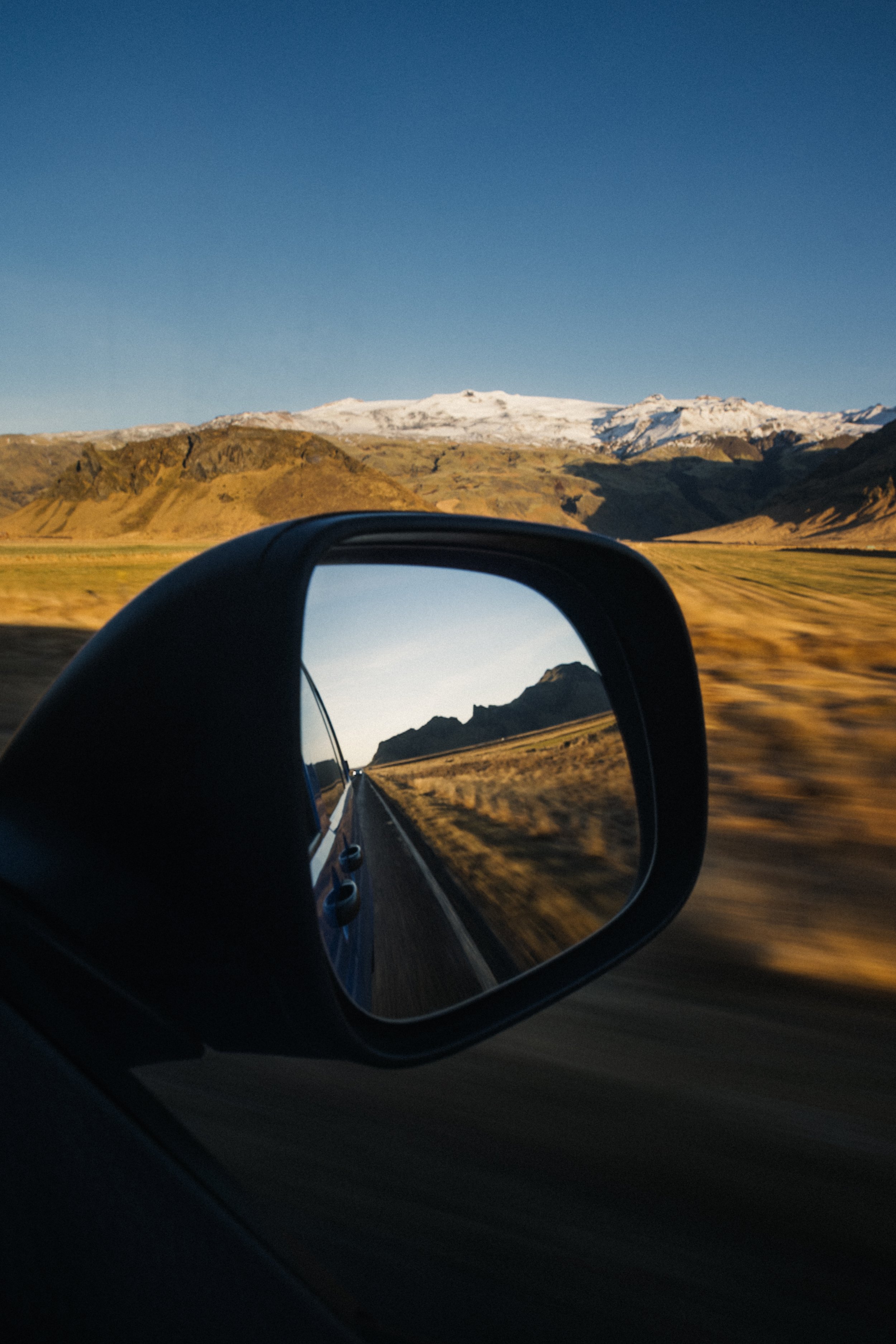
Sun peaking through the clouds, making for a beautiful drive
There are only about 4–6 hours of daylight in winter. Plan your drives so most of your distance happens during daylight as driving at night on those roads can be hard.
One thing to note, a lot of the bridges in Iceland are actually one way only. So make sure you wait to see if the bridge is clear before attempting to cross.
Important information: some campervan wipers only turn on when the van is activity driving over 5km. Jesse and I woke up to a rain storm one morning and spent half an hour panicking that our window wipers didn’t work. After countless youtube videos and consulting the car manual we finally figured it out.
Everything You Need To Know About Iceland Campsites
It’s not necessary to book any of your campsites beforehand and in fact most of them don’t even allow that. Just show up and pay. A few different campsites only have their receptions open for 1 hour a day both in the morning and evening so you have to time your payment around that. But don’t stress, no one ever comes around checking.
Having a couple nice campsites along your route makes a big difference for morale. For example, Skogar Campground has an amazing view but as I went into detail in our Ultimate 9 Day Road Trip Guide blog, this campsite has some serious flaws making it one of the worst places we camped. Our favourite by far was the Skaftafell Campground. They have unlimited hot water, really nice clean facilities, the bathrooms and shower rooms are heated and they even have free laundry services. Plus the mountain views were unbeatable.
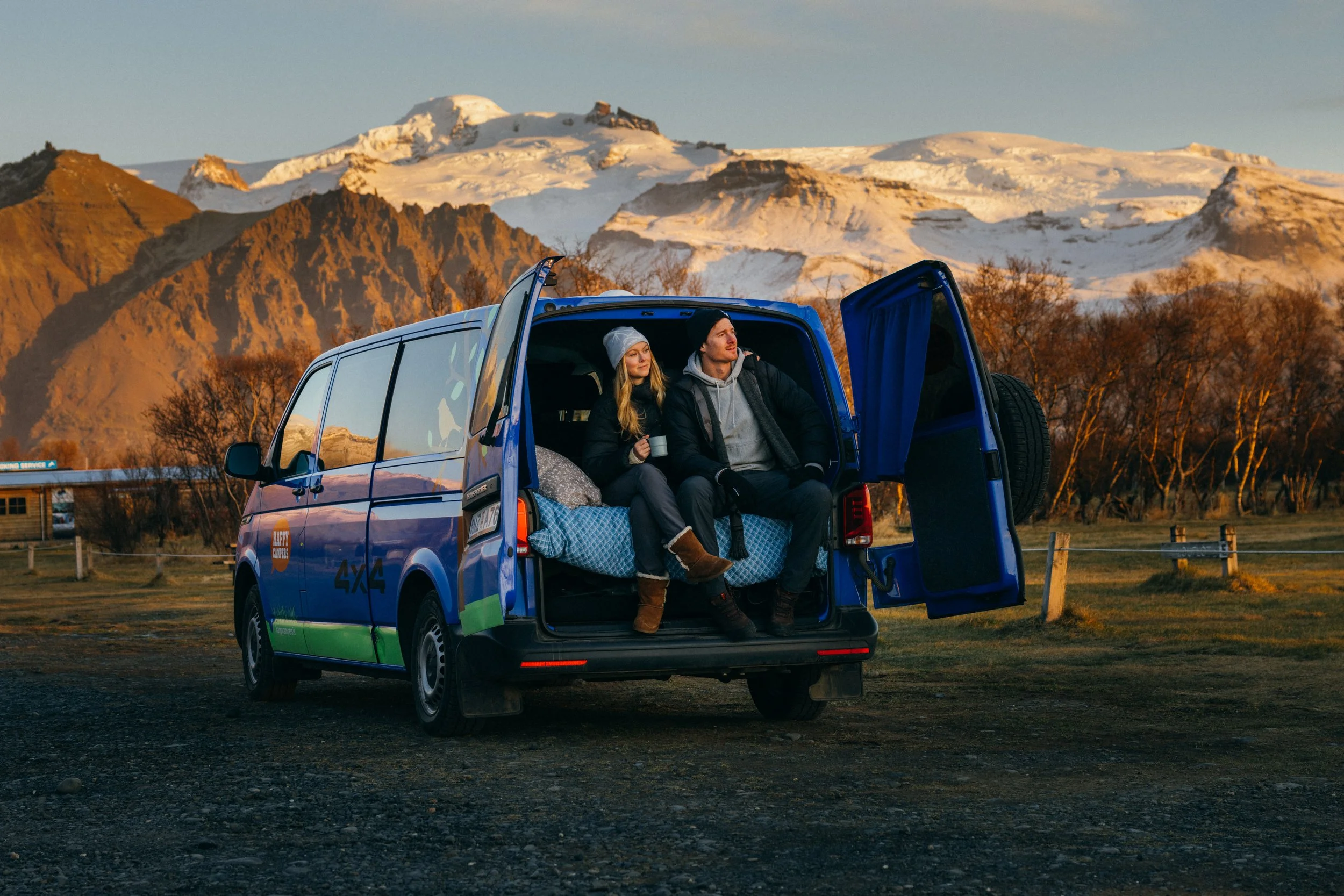
Enjoying some hot coco at Skaftafell Campground
Keep in mind, just because a campsite says it’s open year round doesn’t mean it actually is. We learned this the hard way. Your campervan company will provide you with a website link to access update to date information on campsites. Make sure you consult it!
Campervan Cooking & Food Tips
Eating out in Iceland can add up fast. At one point we met a solo traveler who told us she spent $44 USD on nachos and a single beer in Reykjavik which immediately confirmed that cooking our own meals was the right call for us.
Since we were traveling by campervan, we planned to buy fresh groceries once we landed, but the real money-saver was packing as many dry foods as possible from home. It made meals simple, affordable, and stress-free.
One thing to be aware of: Iceland has restrictions on how much food you can bring into the country. The limit is 10 kg (22 lbs) per person. We didn’t realize this until after we had already stocked up. Even though we weren’t checked at the border, it’s best to stay under that amount just to be safe.

Make sure to bring you’re thermal coffee mug so you can eat outside!
Here are a few dry foods we brought and were very happy to have, especially since Icelandic grocery stores don’t always carry familiar brands:
Hot chocolate (a must after cold days outside)
Our favorite coffee
Trail mix
Instant oatmeal
Chocolate
Chia seed smoothie packs (easy on-the-go protein)
Instant mac and cheese / mashed potatoes (one-pot meals are clutch)
Maple syrup
What to Pack for Campervan Life
Thinking of what to back from your campervan trip can be hard. We constantly so many online lists for the best advice and then of course added our own flare. Below are some things Jesse and I used and were so happy to have with us:
Headlamp or flashlight - this is essentially for moving around the campground at night.
Power bar - our van only had one outlet and it was loose. Having the power bar saved us.
Phone chargers
Microfiber towel - great for saving space in the van as normal towels would take up way too much space
Flip flops (for showers) - some showers can be a little unclean
Body wipes - sometimes you don’t have time for a shower or the facilities are broken so make sure to pack these
Nice extras:
Twinkle lights
Card games
Travel-size massager
Thermal coffee mug
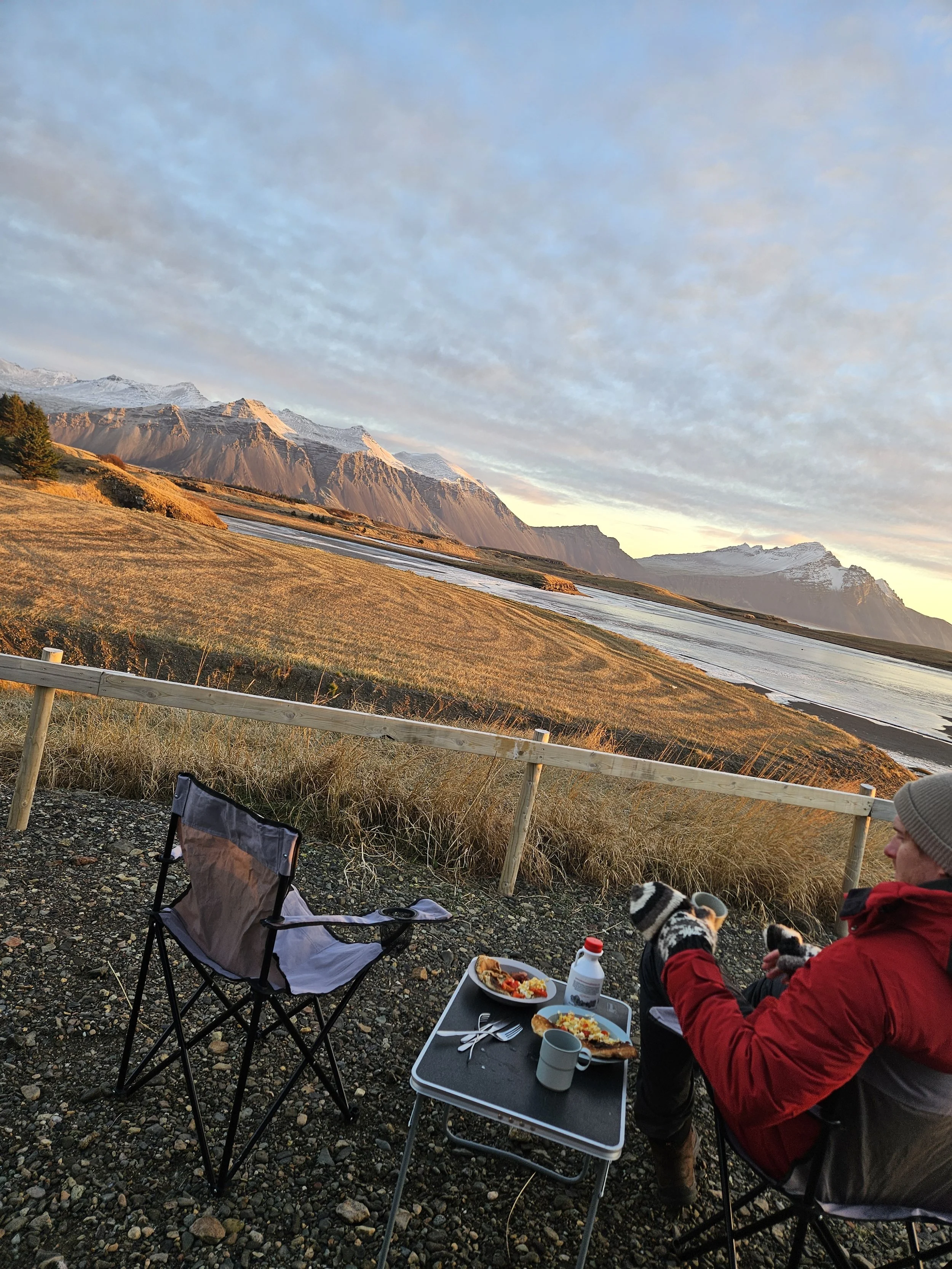
Last campground in Hofn before heading back to Reykjavik
Mistakes to Avoid
Booking a van without a heater
Skipping full insurance
Overpacking your itinerary
Driving long distances in the dark
Assuming campsites are open without checking
Final Thoughts
Campervanning Iceland in winter isn’t about luxury, it’s about freedom, flexibility, and adventure.
There will be cold mornings, foggy windows, and occasional route changes… but there will also be unforgettable views outside your door, spontaneous stops, and moments that make you feel incredibly alive.
If Iceland is on your bucket list and you’re open to a little unpredictability, we couldn’t recommend campervan travel more.
Frequently Asked Questions About Campervanning Iceland in Winter
Is it safe to campervan in Iceland during winter?
Yes — as long as you rent the right vehicle, drive cautiously, and stay flexible with your plans. A 4x4 campervan with winter tires and a built-in heater is essential. Always check road and weather conditions daily, avoid driving during storms, and don’t push long distances in the dark.
Do I need a 4x4 campervan in Iceland in winter?
We strongly recommend it. Even if you plan to stick to main roads, snow, ice, and strong winds are common in winter. A 4x4 provides better traction and overall safety, especially in unpredictable conditions.
Is wild camping allowed in Iceland?
No. Wild camping is illegal in Iceland. You must stay at designated campsites when traveling by campervan. In winter, many campsites are closed, so always confirm which ones are open before arriving.
How much does it cost to campervan Iceland in winter?
Costs vary depending on van size, insurance, and travel dates, but campervanning often saves money compared to hotels and restaurants. Your main expenses will be:
Campervan rental & insurance
Fuel
Campsites
Groceries - cooking your own meals can significantly reduce costs.
What should I pack for campervan travel in Iceland?
Check out our other blog post for ideas: Everything You Need To Pack For Iceland In Winter.
Can you cook inside a campervan in Iceland?
Yes. Most campervans come with a small stove and basic kitchen setup. Stick to simple one-pot meals like pasta, instant soups, oatmeal, and mac and cheese to make cooking easy.
How many days do you need to campervan Iceland?
We recommend at least 7–10 days, especially in winter when driving distances take longer. This allows flexibility for weather delays and time to actually enjoy each stop.
Is campervanning better than staying in hotels in Iceland?
It depends on your travel style. If you value freedom, flexibility, and waking up in nature, campervanning is hard to beat. If you prefer comfort, long hot showers, and predictable schedules, hotels may be a better fit.
Thanks for coming along our adventure — if you have any questions, feel free to reach out or leave a comment below!
Cheers,
